Burnout in High-Pressure Professionals
A Physician's Guide to Recognition, Recovery and Prevention
Get Your Free Copy Today
Simply fill out your details below and we will email the guide through to you.
Are You Feeling Burnt Out?
If you're exhausted, running on empty, and wondering how much longer you can keep going, you're not weak. You may be burnt out, and you're not alone.
Burnout and stress aren't the same thing. Stress feels like too much on your plate. In burnout, you stop caring and feeling. You get through the day, but you're not really there.
91% of UK adults experienced high or extreme stress in the past year. 63% of UK employees show at least one characteristic of burnout. And it's not because people are weak but more about a job that is asking more than any human being can sustain.
This guide will help you work out what's happening, what recovery actually looks like, and what to do next. It's written by a doctor who has spent 30 years in the NHS, and who has been through burnout herself.
In this guide

What burnout actually is (and how it differs from stress and depression)
Why a holiday won't fix it and what the brain science says
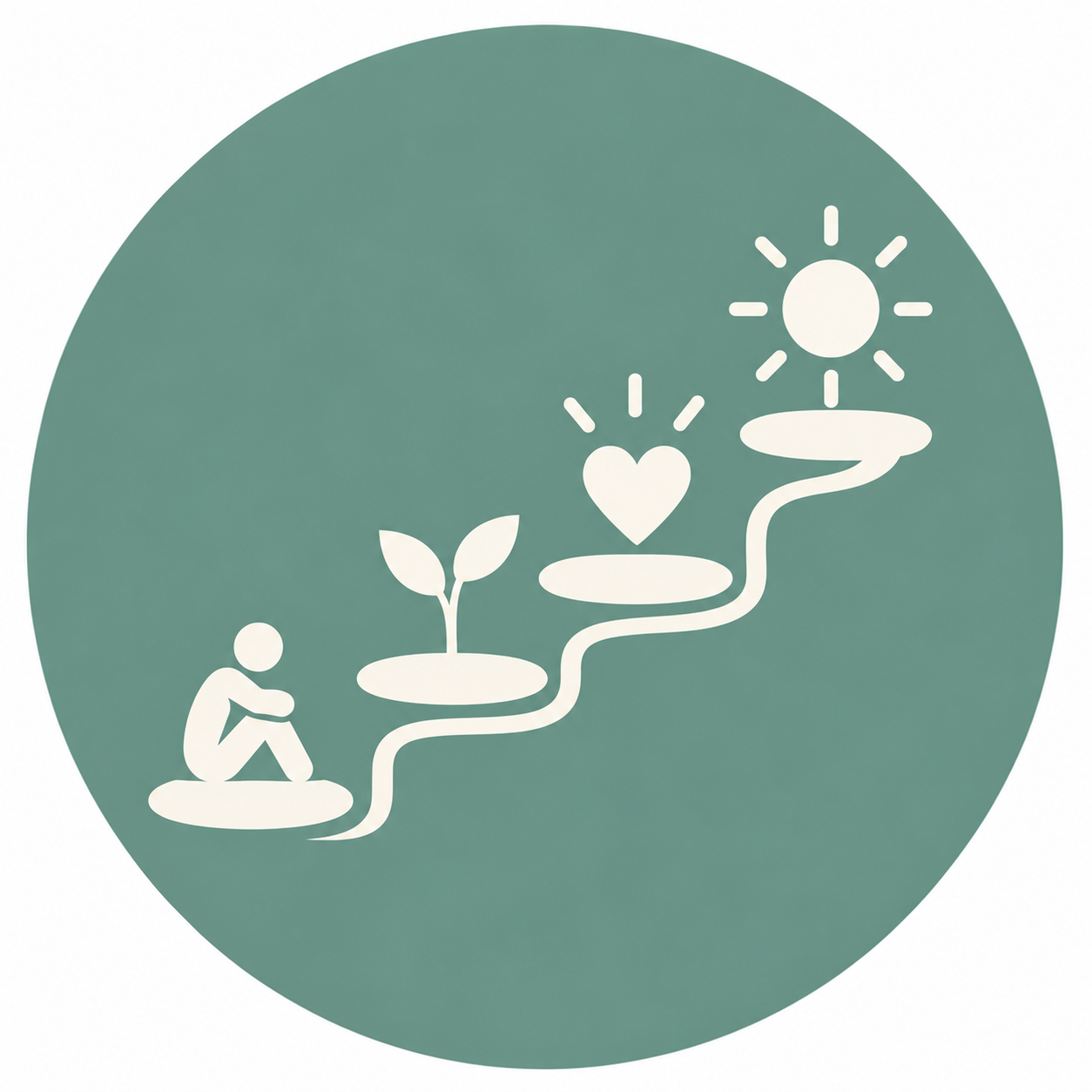
The four-stage path to real recover

The one question that tells you whether it's burnout
What organisations can do differently
Is it burnout, stress, or depression?
| Stress | Burnout | Depression | |
|---|---|---|---|
| How it feels | Too much to do | Nothing left to give | Low, heavy, hopeless |
| Energy | Wired, anxious | Flat, depleted | Slow, heavy |
| Motivation | Still there | Gone | Gone |
| Gets better with rest? | Yes | Not really | Not on its own |
The question that matters most
Does rest restore you?
Stress may improve when demands ease.
Burnout is more persistent, and often doesn't resolve through a short break alone.
Get Your Burnout Guide Today
I spent 30 years in the NHS and saw burnout in some of the most capable, dedicated people I've ever known.
What they had in common wasn't weakness. It was a system that kept taking without giving back, for longer than any human being can sustain.
I experienced it myself, despite knowing what was happening.
— Dr Bal

About Dr Bal
Dr Bal is a Consultant Physician (FRCP Glasgow) who has spent more than 30 years working in the NHS, including senior roles in medical education and some of the most demanding environments the public sector has to offer.
She's also been through burnout herself, and come out the other side. The Thrive Programme exists because she understands it from both sides: the clinical picture of what's happening in your body and mind, and the lived experience of what it actually takes to recover.
The full guide covers
- How to recognise the early warning signs, including the one most high achievers miss
- Why a week away brings symptoms back within four weeks, and what the research on the brain actually shows
- A staged, evidence-informed recovery framework, from initial assessment through to sustainable performance
- What perimenopause, thyroid problems and neurodivergence can have to do with it
- What NICE (National Institute for Health and Care Excellence) guidance says organisations need to get right before individual support can work
- Answers to the questions people ask most: how long recovery takes, whether you need time off, and how to tell burnout from depress
No pressure, no pitch. Just a chance to talk about where you are and what might help.
Book a free Clarity CallThis guide is general information, not personal medical advice. If you are worried about your health, please speak to your GP or another qualified professional.
If things feel darker than this, please don't sit with it alone. Samaritans are there any hour of the day or night on 116 123.